Neither construction is universally better. It depends on how you drive and what you expect from the ride.
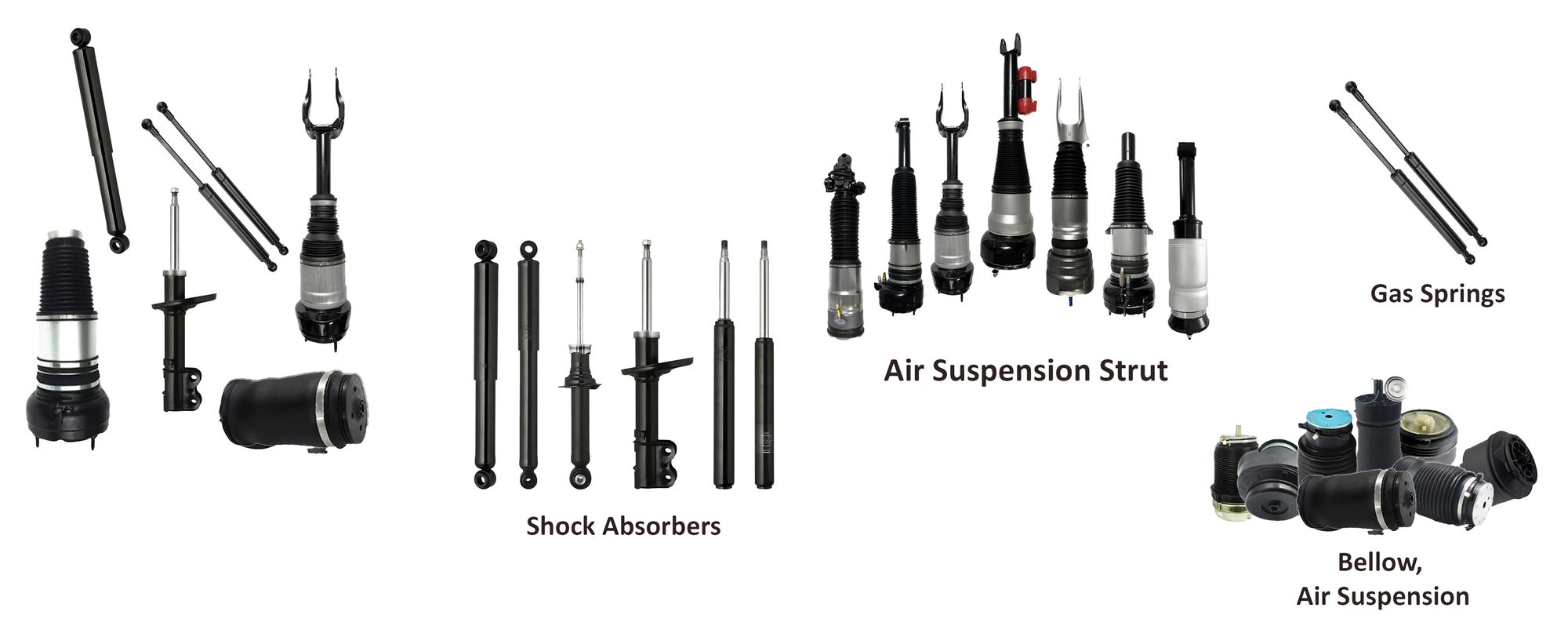
Shock absorbers control the movement of the suspension and springs. By construction, there are two main designs, and neither is universally better; it depends on what you want.
Twin-tube (hydraulic or low-pressure gas)
- Advantages: lower price, comfortable ride, tolerates dents.
- Drawbacks: more fade under hard use, less precise, must be mounted mostly upright.
Monotube (high-pressure gas)
- Advantages: better heat dissipation, precise response, any mounting angle.
- Drawbacks: higher price, firmer ride, a dent can seize it.
Which one to pick
Pick a monotube if you drive hard, tow or carry heavy loads, do track days or rough roads, or want sharper handling. It resists fade, cools better and responds more precisely.
Pick a twin-tube if the car is a daily driver, you value comfort and a lower price, or the road surface is rough enough that a firm ride would be annoying. It is also more forgiving of stone hits.
Rule of thumb
For a normal passenger car, a good gas-charged twin-tube is the sensible choice; a monotube only pays off if you actually use the extra performance. Quality and correct valving for your car matter more than the tube type — a well-made twin-tube beats a cheap monotube.